
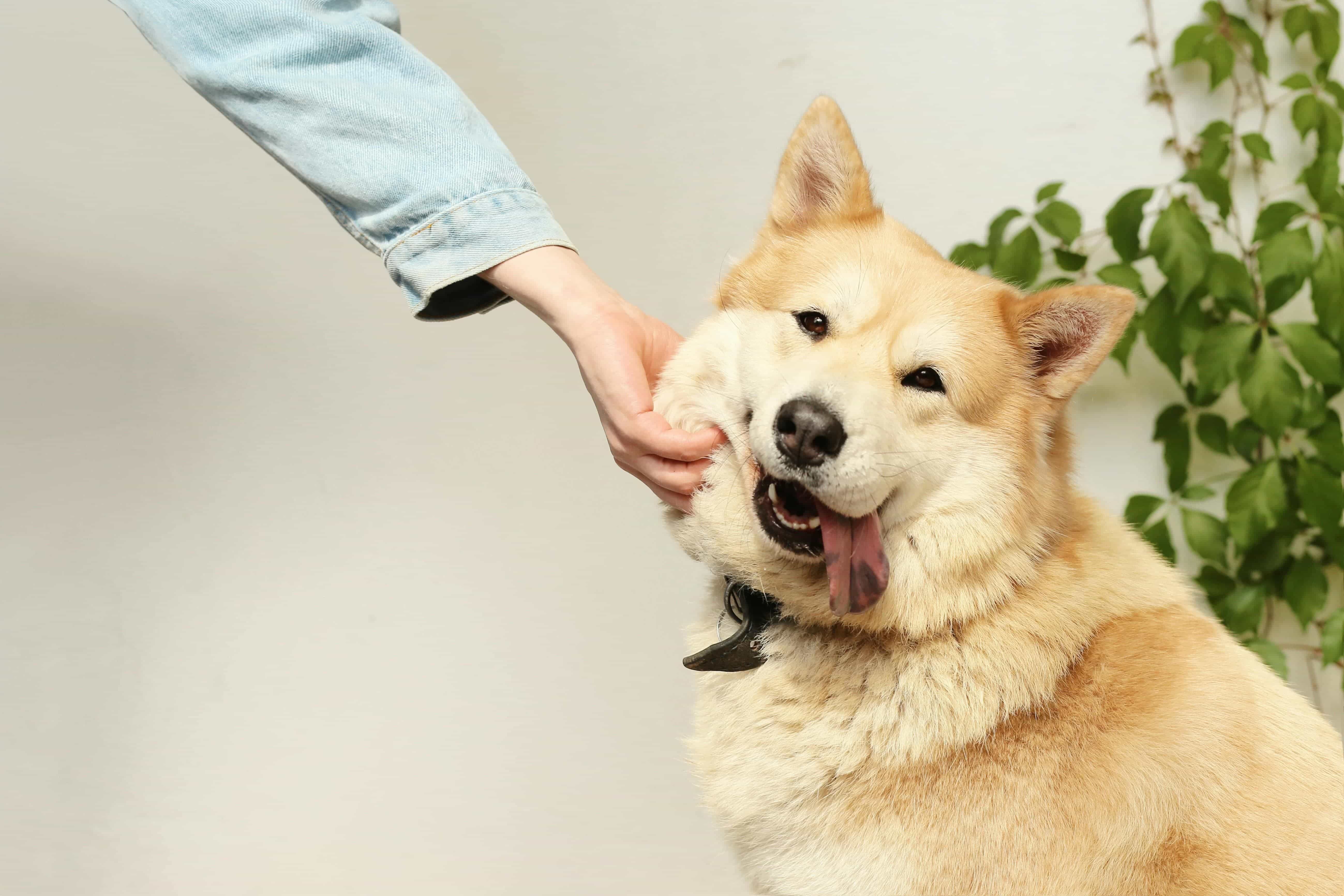
Dog nutrition is one of the most searched topics in pet care, and for good reason. What a dog eats affects energy, coat condition, digestion, weight, behavior, immunity, and even long-term health. Yet the internet is full of conflicting advice about raw dog food, grain-free diets, homemade meals, kibble, supplements, and feeding schedules. For pet parents who simply want to do the right thing, the choices can feel overwhelming.
This article breaks down the basics of healthy dog nutrition in a practical way. The goal is not to sell a single perfect diet. The goal is to help you understand what matters most so you can make better decisions for your own dog.
Why Dog Nutrition Matters So Much
A dog can survive on food that is merely adequate, but thriving requires more. Nutrition supports growth in puppies, maintenance in adult dogs, and comfort in senior dogs. Poor diet can contribute to obesity, itchy skin, dull coats, digestive upset, low energy, and a wide range of chronic problems.
When people search for the best dog food, they are often really asking a deeper question: how do I keep my dog healthy for as long as possible? That is the right question.
The Core Components of a Good Dog Diet
A balanced dog diet usually needs:
- Adequate protein
- Healthy fats
- Digestible carbohydrates where appropriate
- Vitamins and minerals
- Fresh water
Protein helps support muscle, tissue repair, and general body function. Fats provide energy and support skin and coat health. Carbohydrates are not always essential in large amounts, but many dogs digest them well and use them as part of a balanced diet. Vitamins and minerals help regulate the countless systems that keep a dog functioning normally.
The exact formulation depends on age, breed, activity level, and health status.
Kibble, Wet Food, Raw Diets, and Homemade Food
There is no universal answer to the kibble vs wet food vs raw debate. Each approach has strengths and weaknesses.
Kibble
Kibble is convenient, shelf-stable, and often easier to measure. Quality varies a lot, so the brand matters. A good kibble can be part of a healthy diet, especially when properly balanced.
Wet Food
Wet food often has higher moisture content and can be helpful for dogs who need more hydration or who prefer softer textures. It may also be useful for some senior dogs or dogs with dental issues.
Raw Diets
Raw dog food is popular with some owners, but it requires careful handling and a clear understanding of food safety and nutritional balance. Raw feeding is not automatically superior, and it can create risks if done carelessly.
Homemade Food
Homemade dog food can work, but it should be planned carefully. A homemade diet without proper balance can lead to long-term deficiencies or excesses. If you go this route, work with a veterinarian or pet nutrition professional.
Puppy Nutrition: Growth Without Overdoing It
Puppies need food that supports rapid growth without causing excess weight gain. Overfeeding a puppy is a common mistake, especially in large breeds. Too much food, too many treats, or poor calcium balance can create problems later.
A puppy diet should support controlled development, not just visible chubbiness. Feeding the right amount and monitoring body condition are more important than simply giving unlimited food.
Senior Dog Nutrition: Comfort and Maintenance
Older dogs may need different nutrition than younger dogs. They may be less active, more prone to weight gain, or dealing with dental and digestive issues. Senior dog food often focuses on digestibility, joint support, and weight management.
Some senior dogs benefit from softer textures, more frequent smaller meals, or extra moisture in the diet. But age alone does not determine diet; health status matters more.
Reading Your Dog’s Body Condition
A healthy dog is not always the leanest dog in the room, and an overweight dog is not always “just a little chunky.” Body condition scoring is a useful tool.
Signs of a healthy body condition often include:
- Ribs can be felt without excess fat covering
- Visible waist from above
- Tucked abdomen from the side
- Stable energy and mobility
If you cannot easily feel the ribs, the dog may be carrying too much weight. If the ribs are too prominent, the dog may be underweight. Either extreme deserves attention.
Dog Treats and Training Rewards
Treats are useful for training, but they should not become the entire diet. The best dog training treats are small, tasty, and easy to digest. Because training sessions can involve many repetitions, low-calorie options are often better.
Treats should support learning without pushing the dog into weight gain. If your dog is highly food-motivated, you can often use part of the regular meal as training reinforcement.
Hydration and Water Intake
Fresh water is essential. Some dogs drink more naturally than others. Hot weather, exercise, dry food, and certain health conditions increase the need for good hydration.
If a dog suddenly drinks much more or much less than usual, that may be a sign worth checking with a vet. Water intake is a small detail that can reveal big changes.
Common Dog Nutrition Mistakes
Some of the most common mistakes include:
- Feeding too much
- Using too many treats
- Switching foods too quickly
- Ignoring food sensitivities
- Believing all grain-free food is better
- Assuming expensive food is always the best food
- Feeding without considering age or activity level
Good nutrition is not about being trendy. It is about being consistent and informed.
Final Thoughts
Dog nutrition is one of the most important parts of responsible pet care. You do not need to become obsessed with labels or chase every new trend. But you do need to pay attention to ingredients, portion sizes, body condition, and your dog’s individual needs.
The best feeding plan is the one that keeps your dog healthy, active, and comfortable over time.
SEO Takeaway
If you are looking for practical dog nutrition tips, focus on balance, hydration, portion control, and life-stage needs. Those fundamentals matter more than marketing slogans.
The warning signs of canine cognitive dysfunction were spot on. My 14-year-old poodle is now on the recommended supplements and doing better.
My senior rabbit developed sore hocks. The advice on soft bedding and padding helped heal them within two weeks.
The homemade broth recipe for senior pets (no onions, low sodium) is a hit. My picky old dog finally drinks water.
The mobility aids for arthritic dogs (ramps, harnesses) made a huge difference for my dachshund. He's more active now.
I never knew that senior pets need more frequent blood work. My vet confirmed. This article likely extended my dog's life.
{{ comment.message }}