
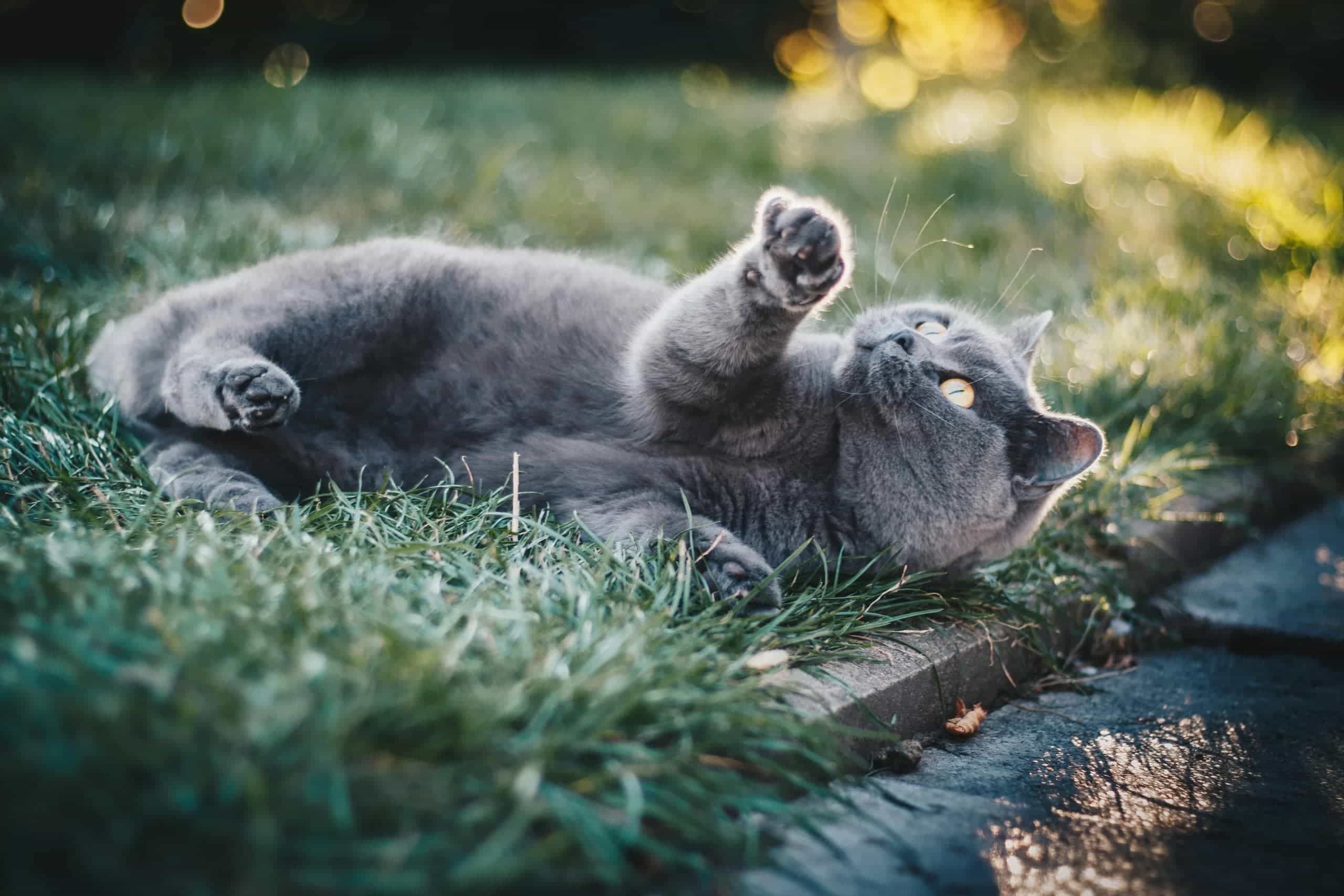
The relationship between humans and pets changes as animals age. The energetic puppy becomes a slower companion. The agile cat begins to jump more carefully. The rabbit rests longer. The bird may sleep more and react more slowly. Aging is not a problem to be solved. It is a natural part of life. But how we care for older pets determines whether those years feel merely long or genuinely comfortable.
Too often, aging pets are treated as if their changes are just inevitable decline. In truth, many of the worst parts of aging can be softened. Pain can be managed. Environments can be adapted. Routines can be simplified. Emotional security can be strengthened. The goal is not to preserve youth. The goal is to support dignity.
What Aging Changes in Pets
As pets grow older, changes may happen gradually or suddenly. These can include:
- Reduced mobility
- Stiffer joints
- Slower recovery
- Changes in vision or hearing
- Altered sleep patterns
- Lower energy
- Different appetite levels
- Increased anxiety in new situations
- More sensitivity to weather or handling
Some animals become more affectionate with age. Others become more reserved. Some want quieter homes. Some need more reassurance. Aging affects each pet differently, but nearly all seniors benefit from extra attention to comfort and routine.
Pain Is Often the Hidden Issue
The most important thing to understand about senior pets is that pain may not look dramatic.
A pet in pain may:
- Hesitate before jumping
- Move more slowly
- Avoid stairs
- Resist being touched in certain places
- Become grouchy or withdrawn
- Sleep more
- Stop playing
- Change posture to protect a sore area
Because pets do not explain themselves in words, pain often gets mistaken for “just old age.” That is a mistake. If a pet’s behavior changes, pain should be considered first.
Veterinary assessment is important, especially when changes are new or worsening.
Home Adjustments That Make a Big Difference
Small changes in the environment can have a major impact on senior comfort.
Helpful adjustments may include:
- Ramps or steps for climbing
- Non-slip flooring
- Lower litter box sides for cats
- Softer bedding
- Easier access to food and water
- Quieter sleeping zones
- Reduced need for jumping
- Better lighting in dim spaces
A senior pet should not have to struggle with the home. The home should adapt to the pet.
For dogs, this might mean easier access to favorite resting spots and shorter, more frequent walks. For cats, it may mean litter boxes on every level and easy access to resting places. For rabbits, it may mean soft but safe flooring and careful observation of movement. For birds, it may mean stable perches and reduced stress from abrupt changes.
Nutrition for Senior Pets
Older pets may need diet changes depending on species, weight, dental health, and medical conditions.
Some may need:
- More digestible food
- Weight management support
- Joint-support nutrients
- Higher moisture intake
- Easier chewing options
- Adjusted portion sizes
Senior feeding should not be based on assumptions. A pet that is thin, heavy, or losing appetite may need a different plan than a healthy older pet. Regular checkups help ensure the feeding strategy matches the pet’s actual condition.
Exercise Still Matters
Aging does not mean inactivity. It means appropriate activity.
Pets still benefit from movement, but the intensity and duration may need to change.
For dogs, this could mean shorter walks with more sniffing time. For cats, more frequent but gentler play sessions. For rabbits, safe movement space without strain. For birds, opportunities to move, perch, and engage without exhaustion.
Exercise supports joint health, digestion, mental well-being, and muscle maintenance. The key is to keep it accessible and comfortable.
Emotional Health in Senior Pets
Older pets may experience confusion, frustration, or anxiety as their senses and routines change. They may not adapt as quickly to new furniture, new pets, new schedules, or noisy households.
Keeping life predictable can help a great deal.
Helpful practices include:
- Stable meal times
- Familiar sleeping arrangements
- Consistent handling routines
- Calm introductions to change
- Gentle communication
- More patience with accidents or confusion
A senior pet may need reassurance that life is still safe and understandable.
When Cognitive Changes Appear
Some older pets develop cognitive decline. This can look like disorientation, wandering, altered sleep cycles, staring at walls, confusion in familiar places, or changes in interaction patterns.
These changes can be distressing, but they are also a reason to seek veterinary advice rather than simply assuming the pet is “getting weird.” In some cases, management strategies can improve quality of life significantly.
Grooming and Hygiene
Older pets may groom less effectively or need help staying comfortable.
This can mean:
- More brushing for long-haired animals
- Nail care
- Cleaning around the eyes or mouth if needed
- Dental attention
- Monitoring skin and coat condition
Pets with reduced mobility may struggle to keep themselves fully clean. Humane grooming support can make them feel better and reduce secondary problems.
The Value of Routine Veterinary Care
Senior pets benefit from regular checkups, often more frequently than younger pets. These visits can catch slow-developing problems earlier, including arthritis, dental disease, organ issues, hormonal changes, and weight shifts.
Many owners wait until a senior pet “seems really sick” before seeking help. That is often too late for easy management. Early intervention usually gives the pet a better life.
Making the Final Years Meaningful
Aging pets do not need flashy experiences. They need comfort, companionship, and gentle care.
That may mean:
- Sitting quietly together
- Offering favorite foods in safe amounts
- Preserving familiar habits
- Respecting rest time
- Creating pain-free access to essentials
- Avoiding unnecessary stress
The emotional richness of senior care often comes from small, ordinary moments. A warm nap by the window. A slow walk at sunset. A cat choosing to lie near you. A rabbit resting calmly after a soft meal. A bird chirping at a familiar voice. These moments matter.
Preparing for the Inevitable
Part of loving a pet through old age is knowing that the journey is finite. That truth is hard, but it also clarifies what matters.
Questions to think about include:
- Is the pet comfortable most of the time?
- Is pain being managed adequately?
- Is the pet still able to enjoy parts of daily life?
- Is the home supporting dignity?
- Are we keeping the pet alive, or helping the pet live?
These are difficult questions, but they are loving ones.
Final Thoughts
The golden years of a pet’s life do not have to be a period of decline alone. With thoughtful care, they can be a season of warmth, familiarity, and deep companionship.
Older pets may move more slowly, but they often love more quietly and depend more tenderly on the people who know them best. They have histories with us. They remember our habits, our voices, our routines. We become part of the structure that helps them feel safe.
That is a profound responsibility, but it is also a privilege.
Caring for an aging pet is not about pretending age is not happening. It is about making age gentle. It is about choosing comfort over convenience, patience over impatience, and dignity over denial.
If we do that well, the final chapter can still be a beautiful one.
Grief Starts Before Goodbye
One part of senior pet care that people rarely discuss honestly is anticipatory grief. As pets age, owners begin to feel the future approaching. That can create sadness long before the final day arrives.
This grief is real, and it matters. It can make people reluctant to talk about decline or to notice changes too clearly. But facing the truth early can actually deepen care. It allows time to create comfort, make plans, and appreciate the present more fully.
The Gift of Slowness
Older pets often force humans to slow down. That can be frustrating if you are focused on efficiency. But it can also be a gift. Slow walks, longer rests, quieter evenings, and simpler routines create room for presence.
Many people discover that senior pet care teaches them how to value the ordinary. The dog that only wants a short walk, the cat that chooses a warm blanket, the rabbit that settles into a gentler pace, the bird that quietly greets the morning—these moments can become the most memorable ones.
Senior Dog, Senior Cat, Senior Rabbit, Senior Bird
Senior pet care is not one-size-fits-all. Different animals show aging in different ways.
- Senior dogs often need joint support, easier mobility, and shorter, more frequent walks.
- Senior cats often need better access to litter boxes, warm resting places, and help with jumping.
- Senior rabbits may need careful monitoring of appetite, teeth, and movement.
- Senior birds may need stable perches, nutritional support, and a quieter environment.
The species matters, but the principle is the same: adapt the environment to the pet, not the other way around.
How to Support Aging Pets at Home
At home, the best senior pet care tips are usually practical and simple:
- Keep essentials easy to reach
- Reduce slippery flooring
- Provide soft bedding
- Watch appetite and water intake
- Notice changes in behavior early
- Keep vet visits regular
- Make stairs, litter, and sleeping areas easier to access
These details may seem small, but they can drastically improve comfort and reduce stress.
Final Thoughts
Aging pets do not need to be treated like fading objects. They remain living companions with preferences, comfort needs, and emotional lives. Their value does not shrink because their bodies slow down.
What changes is our responsibility. We become guardians of comfort, translators of pain, and stewards of dignity.
If we accept that role with care, the senior years can be some of the richest years of the relationship.
The section on senior pet anesthesia risks is so important. I delayed my cat's dental until I found a vet experienced with geriatrics.
The mobility aids for arthritic dogs (ramps, harnesses) made a huge difference for my dachshund. He's more active now.
The section on senior cat dental care saved my old lady from tooth loss. The toothbrush training steps were super easy to follow.
The guide on palliative care for older pets with terminal illness gave me peace of mind. Focus on comfort and love. Thank you.
The article about when to say goodbye (quality of life scale) is heartbreaking but necessary. Helped me make the right decision for my old friend.
{{ comment.message }}